


Table of Contents
- Why Electrical Safety Matters in Stage Laser Lighting
- Power Planning for Professional Laser Projectors
- Grounding: The Foundation of Laser Lighting Safety
- Cables, Connectors, and Touring Reality
- Heat Management and Electrical Stability
- Environmental Risk: Moisture and Outdoor Events
- Training, Communication, and Professional Responsibility
- Electrical Safety as a Professional Standard
- Conclusion
In professional event production, stage laser lighting is no longer a specialty effect—it has become a standard visual tool across concerts, touring shows, corporate events, exhibitions, and permanent installations. High-output laser projectors now sit alongside moving heads, LED washes, and media servers as part of an integrated lighting system.
With that evolution comes responsibility. Behind every clean laser look is an electrical infrastructure that must be planned, installed, and operated correctly. For event planners, production managers, and lighting companies, electrical safety is not optional. It is a core part of professional delivery.
At Newfeel Light, we work with production teams who operate professional laser lights in real-world environments, not demo rooms. One consistent pattern we see is that most electrical issues are preventable—not through expensive upgrades, but through better understanding and preparation.
This guide focuses on how to manage stage laser lighting electrical safety in practical, professional environments.
Why Electrical Safety Matters in Stage Laser Lighting

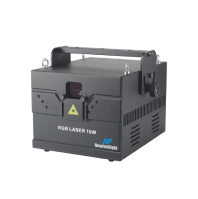
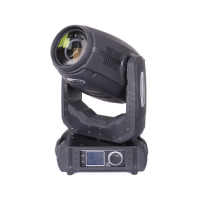
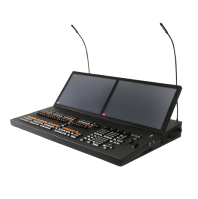
Modern lighting systems are more powerful and more complex than ever. A single stage may combine RGB laser projectors, moving head fixtures, DMX-controlled LED lighting, and networked control systems. When power distribution or grounding is handled incorrectly, the result is rarely subtle.
Electrical failures in laser lighting systems can cause sudden shutdowns, inconsistent output, control signal loss, or damage to internal components. In live environments, these failures don’t just affect visuals—they disrupt schedules, impact client confidence, and increase liability.
For professional event planners, electrical safety directly affects:
crew and performer safety
equipment longevity and maintenance costs
venue compliance and insurance requirements
overall production reliability
In short, safe electrical design is part of delivering a professional show.
Power Planning for Professional Laser Projectors
One of the most common mistakes in stage laser lighting setups is assuming that wattage alone defines power needs. In reality, laser projectors draw power dynamically, especially during startup, peak output, and long operating cycles.
Every professional laser projector must be matched precisely to its rated input voltage. Running a laser on incorrect power—even briefly—can cause unstable performance, overheating, or permanent failure.
Equally important is circuit distribution. When multiple laser lights and moving fixtures share the same circuit, voltage drop and breaker trips become real risks. Experienced production teams plan power early, distributing loads conservatively and leaving headroom for stability.
Newfeel Light designs its stage laser projectors with clearly defined electrical specifications, but proper implementation on-site is what ultimately ensures safe operation.
Grounding: The Foundation of Laser Lighting Safety

Grounding is one of the most critical aspects of electrical safety in professional laser lighting, and also one of the most overlooked.
Most laser projectors use metal housings and precision internal components. Without proper grounding, any internal electrical fault can energize the exterior of the fixture, creating a serious shock hazard during installation, adjustment, or operation.
Grounding also improves electrical stability. Clean ground paths reduce noise, minimize signal interference in DMX laser and ILDA-based systems, and help safety circuits function correctly. In temporary installations and outdoor events, proper grounding becomes even more important due to moisture and variable power sources.
Professional crews verify grounding before powering any laser lighting system, not after a problem appears.
Cables, Connectors, and Touring Reality
In live production, cables take more abuse than almost any other component. They are stepped on, rolled over, coiled, transported, and exposed to heat and cold. Damaged power cables remain one of the most common causes of electrical issues in stage laser lighting.
Professional laser systems should always be connected using industry-rated power cables and connectors. Household extension cords are not designed for continuous high-current loads and should never be used in professional lighting applications.
Loose or worn connectors may not fail immediately, but under sustained load they can overheat, arc, or create intermittent power loss. For laser projectors, this can trigger safety shutdowns or interrupt control signals mid-show.
Regular inspection is part of professional workflow, especially for rental and touring inventories.
Heat Management and Electrical Stability

Even efficient laser systems generate heat. When airflow is restricted, electrical stress increases and output stability suffers.
Professional laser light projectors rely on internal cooling systems to maintain consistent performance, but they still require proper external ventilation. Blocking vents, stacking fixtures too tightly, or operating in high ambient temperatures increases the risk of thermal shutdowns and long-term component degradation.
Stable power and thermal management work together. Voltage fluctuation increases heat, and heat increases electrical resistance. Over time, this combination affects both safety and visual consistency.
Environmental Risk: Moisture and Outdoor Events
Outdoor productions introduce additional electrical risks. Rain, humidity, condensation, and temperature changes all increase the likelihood of faults.
Power connections for stage laser lighting should never sit directly on the ground. Elevated cable runs, weather protection, and proper routing reduce exposure to moisture. Even indoor venues with heavy HVAC use can create condensation issues that affect electrical safety.
When professional laser lights are used outdoors or in semi-open environments, safety depends as much on setup discipline as on fixture quality.
Training, Communication, and Professional Responsibility

Electrical safety is not only about equipment—it is about people. Event planners don’t need to be electricians, but they must understand how lighting power is distributed and who is responsible for monitoring it.
Clear communication between planners, lighting designers, technicians, and venue staff prevents assumptions that lead to mistakes. Knowing how to shut down a laser lighting system safely in an emergency is just as important as knowing how to program effects.
Professional teams treat safety procedures as part of standard operation, not as an afterthought.
Electrical Safety as a Professional Standard
In today’s production landscape, safety is part of professionalism. Venues, clients, and insurers expect responsible planning and compliant equipment.
By choosing professional laser lights, planning power distribution carefully, and working with trained technicians, event planners create environments where creativity and safety support each other.
At Newfeel Light, our stage laser lighting solutions are designed with reliability, compliance, and real-world use in mind—because professional results depend on more than just visual output.
Conclusion

Stage laser lighting delivers powerful visual impact, but only when supported by safe and stable electrical systems. Understanding how power, grounding, cabling, heat, and environment interact allows event planners to make smarter decisions and avoid preventable risks.
Electrical safety does not limit creativity—it enables it. When the infrastructure is solid, lighting professionals can focus on delivering shows that look great, run smoothly, and meet the expectations of modern event production.


