


Table of Contents
- How Concert Lasers Shape Today’s Live Performances
- Beam Lasers: The Foundation of Concert Laser Shows
- Aerial Lasers: Turning Space into Motion
- Laser Graphics: Precision Meets Storytelling
- The Role of Music Lasers in Audience Experience
- What Professionals Look for in Concert Laser Lights
- Scanning Speed, Motion, and Control
- Concert Lasers and the Future of Live Entertainment
- Final Thoughts
In modern live entertainment, concert lasers are no longer a special effect reserved for a few headline shows. They have become a core visual tool for lighting companies, production teams, and event organizers who want to deliver immersive, high-impact experiences. From arena tours to electronic music festivals, lasers for concerts now play a central role in how audiences perceive a performance.
At Newfeel Light, we work closely with professional buyers who are responsible not only for creative results, but also for reliability, safety, and scalability. Choosing the right concert laser is not about chasing trends—it’s about understanding how different laser systems work together with music, staging, and other lighting elements to create a cohesive concert light show.
This article breaks down the types of concert laser lights audiences love, how they are used in real productions, and what professionals should look for when selecting laser systems for live events.
How Concert Lasers Shape Today’s Live Performances

Unlike traditional fixtures, laser lighting effects interact with space in a unique way. Laser beams are precise, directional, and highly visible when paired with haze or fog. This allows designers to sculpt the air itself, turning empty space into part of the visual design.
In many productions, music laser light systems are programmed directly to the rhythm and structure of the performance. Whether it’s a rock concert, EDM festival, or touring pop show, music lasers help translate sound into motion. The result feels intentional, energetic, and emotionally engaging.
For audiences, a well-designed laser light concert is often what separates a good show from a truly memorable one.
Beam Lasers: The Foundation of Concert Laser Shows
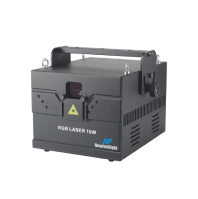
Beam lasers remain the most widely used type of lasers lights in concerts. These systems produce strong, focused beams that travel long distances without losing clarity. When used correctly, beam lasers define the geometry of the stage and reinforce musical intensity.
In large venues, beam-based concert laser lights are often aimed outward from the stage, creating fan-shaped or crisscross patterns that extend over the audience. This approach gives scale to the performance and makes the crowd feel connected to the show.
Professional lighting designers rely on beam lasers because they are predictable, powerful, and easy to integrate with other lasers and lights in complex setups.
Aerial Lasers: Turning Space into Motion

Aerial lasers focus less on straight beams and more on movement and atmosphere. These systems generate patterns that appear to float in mid-air, forming tunnels, waves, and layered effects above the audience.
In electronic music events, especially rave and festival environments, aerial lasers are often paired with rave laser machine setups that emphasize speed and repetition. This combination creates the signature look many fans associate with high-energy dance events.
For production teams, aerial lasers are a powerful light show device that fills large spaces without relying solely on LED screens or traditional fixtures.
Laser Graphics: Precision Meets Storytelling
Laser graphics take laser light effects to a more detailed level. Instead of abstract motion, these systems project images, logos, and animations onto surfaces such as stage backdrops or architectural elements.
Laser graphics are commonly used at key moments in a show—opening visuals, transitions, or finales—where storytelling and branding matter. Because they require precise scanning and control, these systems are typically operated using dedicated software rather than manual input.
In professional productions, laser graphics transform a standard light show machine into a storytelling tool that supports the artist’s message.
The Role of Music Lasers in Audience Experience

One of the reasons music laser systems are so effective is their ability to sync tightly with sound. Lasers can accent beats, highlight drops, or emphasize instrumental changes in ways that traditional lights cannot.
When programmed correctly, music lasers feel like part of the performance rather than an added layer. This is why many of the best concert light shows rely heavily on lasers—not just for spectacle, but for emotional impact.
From subtle movement during slower songs to explosive effects during climactic moments, lasers help guide the audience’s attention and energy.
What Professionals Look for in Concert Laser Lights
For B-end buyers, selecting the right concert laser lights goes beyond visual appeal. Performance consistency, safety compliance, and control flexibility all play critical roles.
Brightness and power determine whether effects remain visible in large venues or outdoor environments. While higher power often means stronger impact, it must be balanced with proper safety measures and local regulations.
Color performance is equally important. High-quality laser systems deliver smooth, accurate color mixing from red, green, and blue sources. This allows designers to create everything from soft gradients to intense, saturated looks without visible color separation.
Beam quality also defines professionalism. Clean beams with controlled divergence maintain their shape across long distances, which is essential for large-scale laser light concert setups.
Scanning Speed, Motion, and Control

Fast-paced performances demand fast response. Scanning speed determines how quickly a laser can change direction without flicker or distortion. In genres like EDM or hip-hop, high scanning speed is essential for matching the energy of the music.
Motion effects add another layer of creativity. Modern concert laser systems can be programmed to follow complex paths—spirals, waves, and layered movements—that interact with performers and stage design.
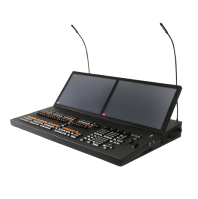
Control methods matter just as much. Professional concerts rely on DMX and software-based control systems that allow lighting technicians to integrate lasers seamlessly with other lasers and lights in the rig.
Concert Lasers and the Future of Live Entertainment
From early experimental uses to today’s highly refined systems, concert lasers have come a long way. They are no longer novelty effects, but a standard part of professional lighting design.
As technology continues to improve, lasers are becoming more precise, easier to program, and more adaptable to different production scales. Whether used as part of a massive touring rig or a compact light show device for special events, lasers continue to push creative boundaries.
At Newfeel Light, we see lasers not as standalone effects, but as tools that help professionals build cohesive, reliable, and unforgettable shows.
Final Thoughts

For lighting companies and event producers, understanding how lasers for concerts work—and how to choose the right systems—makes a real difference in show quality. From beam lasers and aerial effects to detailed laser graphics, each type of concert laser plays a specific role in shaping the audience experience.
When integrated thoughtfully, laser lighting effects elevate performances from visual displays into immersive environments. That’s why lasers remain at the heart of many of today’s most talked-about concert light shows.
In the end, great laser design isn’t about excess—it’s about precision, control, and knowing how to let light move with the music.


