



How to Set Up and Program Moving Head Lights Step by Step
Moving head lights are the lifeblood of modern stage, event, and DJ lighting setups.how to program moving head lights They offer unparalleled flexibility and visual impact in any venue, adding depth and layers to a show with their impressive zoom and pan motions. To get the most out of your mover heads, they need to be properly positioned and regularly maintained. Regular maintenance helps prevent dust buildup, which can overheat and shorten the life of your LEDs. It also ensures all motors are functioning properly. Whether you’re looking to keep your fixtures running smoothly or are new to DMX, this guide breaks down how to set up and program your moving heads step by step. This includes an explanation of DMX channels and address setup, basic programming, and a practical example using the 11-channel LB150 moving head fixture.

A DMX-compatible light fixture receives data from a control console in one of three ways: analogue (which has been phased out), DMX (Digital Multiplex, the industry standard control protocol), or Ethernet control (ArtNet or sACN).how to program moving head lights Each channel on a moving head fixture controls a different function, such as pan, tilt, color, or strobe, and the amount of control available varies by model. In most cases, each fixture has a unique DMX address that sets its starting position within the channel block, preventing conflicts with other fixtures sharing the same address.
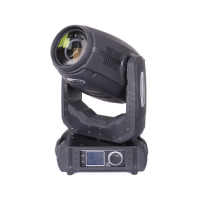
There are four main types of moving head lights: spot, wash, beam, and hybrid.how to program moving head lights Spot fixtures are designed for precise projection of gobos or patterns onto surfaces, while wash lights have a diffused, broad output that is ideal for illuminating large areas without producing harsh shadows or hotspots. Beam fixtures are ideal for mid-air effects in hazy club or stage environments, and hybrid models provide the best of both worlds with a mixture of wash and spot characteristics.

LED moving head fixtures are becoming increasingly common in theatrical productions, thanks to their versatility and dynamic capabilities.how to program moving head lights Adding them to your stage rig gives you the freedom to create a completely new look for each scene, allowing your actors to easily change into character with minimal disruption to the audience. You can also use moving head fixtures to add color changing effects, bringing extra flair and energy to any musical, play, comedy show, or dance performance.

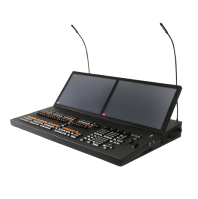
Whether you’re using an LED moving head fixture to illuminate performers onstage or as part of a dazzling display in a bar or wedding venue, you need a reliable way to control the lights.how to program moving head lights DMX (Digital Multiplex) control provides the fastest, easiest, and most flexible way to program and operate your moving head lights. Using an XLR connector, a lighting controller sends control signals via a DMX cable to the fixture, converting them into internal stepper motor movements. With a little knowledge, you can easily program your moving head fixtures to perform just about any effect imaginable!


